
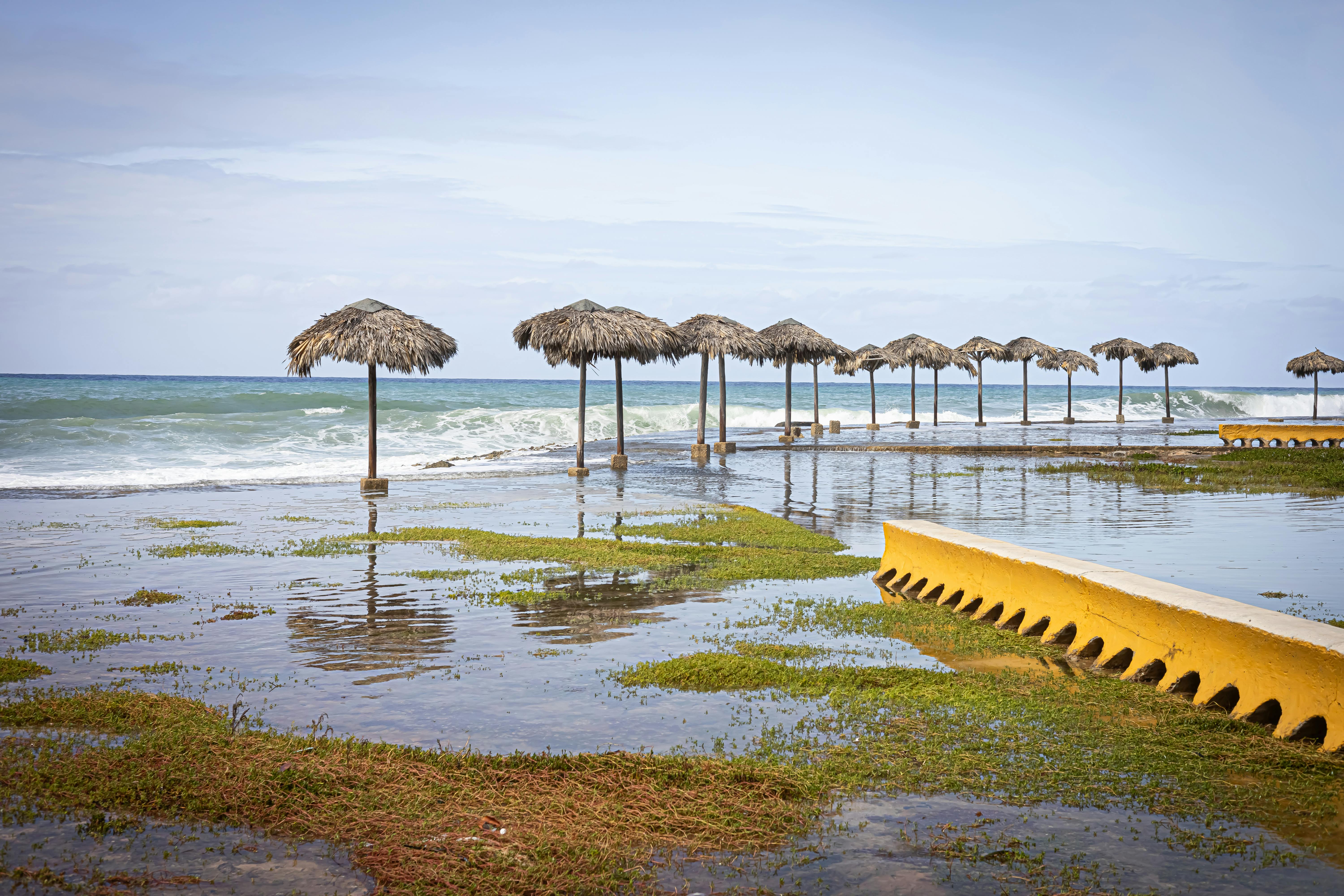
Traveling is an amazing adventure, but often comes with risks, and natural disasters are among the most unpredictable. This risk is made even more obvious with the progression of climate change. Understanding how to protect yourself with a solid travel insurance policy is essential for anyone planning an adventure. In this guide, we’ll explore travel insurance protection in the case of natural disasters, what it covers, and tips to help you choose the right policy and answer the question: “Does Travel Insurance Cover Natural Disasters?”
What Is Travel Insurance and How Does It Cover Natural Disasters?
Travel insurance is a financial safety net for travelers, covering unexpected events that can disrupt or ruin your trip. It includes different types of coverage such as medical expenses, trip cancellations, and lost baggage. When it comes to natural disasters, travel insurance policies typically offer two key types of coverage: trip cancellation/interruption and emergency medical.
- Trip cancellation or interruption: If your destination is hit by a natural disaster, making it unsafe or uninhabitable, you may be able to recover non-refundable costs like flights and hotel stays.
- Emergency medical coverage: If you’re injured during a natural disaster, a travel insurance policy can help cover medical expenses, so you don’t have to worry about unexpected bills.
- Evacuation and repatriation: Some policies include coverage for emergency evacuations if you’re in imminent danger, such as during wildfires or hurricanes.
Types of Natural Disasters Covered by Travel Insurance
While not all events are covered, most travel insurance policies address several common natural disasters:

- Hurricanes and tropical storms: If your destination is declared unsafe due to an approaching storm, like recent Hurricane Milton in Florida, trip cancellation or interruption benefits may apply.
- Earthquakes: When an earthquake makes your planned accommodations unsafe, some policies will cover cancellations.
- Wildfires: If a wildfire is threatening your travel plans, common to many west-coast U.S. destinations, many policies include evacuation and medical coverage.
Be aware that certain conditions must be met. For example, the disaster typically needs to be officially declared or government warnings issued for your policy to kick in. It is always important to read the fine print of the policy to be sure you understand the terms, and how you are covered.
What Does Travel Insurance Cover in the Event of a Natural Disaster?
Travel insurance coverage for natural disasters can vary, but common benefits include:
- Trip cancellation reimbursement: If you need to cancel your trip because your destination is severely affected by a natural disaster, you can be reimbursed for non-refundable expenses like flights and hotels.
- Trip interruption coverage: If a disaster forces you to return home early, travel insurance can cover the costs associated with changing your travel plans.
- Emergency evacuation and medical care: Some travel insurance policies include provisions for emergency evacuations or emergency medical expenses if you are injured.

Even with the anticipation of a vacation, travelers still worry about potential problems. In 2024 these were the perceived highest valued benefits of travel insurance:
What Is Not Covered by Travel Insurance During a Natural Disaster?
While travel insurance can offer significant protection, there are limitations. Being aware of exclusions can help you avoid unpleasant surprises:
- Pre-existing conditions: Some policies do not cover medical emergencies related to pre-existing health conditions.
- Known events: If a natural disaster is already predicted or has occurred when you purchase your insurance, it may be considered a “foreseen event,” and coverage may be excluded.
- High-risk activities: If you’re engaging in risky activities, like extreme sports, during a disaster, some policies may not cover related injuries.
Must Read: Top Travel Destinations in 2025
How to Choose the Right Travel Insurance for Natural Disaster Coverage
Finding the right travel insurance policy involves understanding your travel plans and assessing potential risks. Here are a few travel insurance tips to help you choose:
- Check the policy’s details for natural disaster coverage: Look for policies that offer comprehensive coverage, including emergency medical, trip cancellation, and evacuation services.
- Consider a “Cancel for Any Reason” (CFAR) add-on: This optional benefit allows you to cancel your trip for any reason, not just a covered reason, and still get a partial refund.
- Compare different plans: Not all travel insurance policies are created equal. Make sure to compare coverage options, costs, and customer reviews. SquareMouth and insuremytrip are 2 great sites to compare plans and pricing options.
Real-Life Scenarios: How Travel Insurance Helps During a Natural Disaster
To understand why travel insurance is worth it, consider these real-life examples:
- Hurricanes: Travelers who had booked trips to Florida or Caribbean destinations during hurricane season were able to cancel and get a refund when their hotels became uninhabitable due to storm damage.
- Earthquakes: In destinations like Japan, travelers covered by a robust travel insurance policy could get medical help and emergency evacuation following an earthquake.
- Wildfires: Those visiting areas prone to wildfires, like California, used their policies to cover unexpected evacuation costs and medical treatment.
These situations highlight the value of having travel insurance protection when natural disasters strike.
When Should You Buy Travel Insurance for Natural Disaster Coverage?
Timing is crucial when buying travel insurance, especially for natural disasters:
- Purchase early: Buy your travel insurance as soon as you book your trip. The earlier you purchase, the more protection you’ll have.
- Watch out for “foreseen events”: Once a natural disaster is predicted or already occurring, it may be considered “foreseen,” and coverage could be excluded.
- Maximize your coverage: The sooner you secure your travel insurance, the greater your chances of benefiting from full coverage if the unexpected occurs.
Tips for Filing a Travel Insurance Claim After a Natural Disaster
If you find yourself needing to file a claim, here are some steps to make the process smoother:
- Document everything: Take photos and keep records of all related expenses, including receipts and medical reports.
- Contact your insurer immediately: Notify your travel insurance company as soon as possible to start the claims process.
- Submit all necessary documentation: Make sure to provide the insurer with all the required paperwork for reimbursement.
Conclusion

Traveling is exciting, but natural disasters and other unexpected events can (and do) happen. Having a travel insurance policy tailored to cover these risks can make a huge difference in both safety and finances. From hurricanes to wildfires, travel insurance coverage can provide peace of mind and practical solutions when nature disrupts your travel plans.
Before leaving for your next trip, take the time to understand why travel insurance is an important part of travel prep. Evaluate your options, read the policy details, and consider add-ons for maximum travel insurance protection. When you’re prepared, you can enjoy your journey, knowing that you’re covered in case the unexpected occurs.
So, is travel insurance worth it? Absolutely, especially when natural disasters are involved. Stay informed, stay insured, stay stress-free and travel with confidence.
More Related Articles
How to Choose the Right Hotel for Your Travel Style: 4 Factors to Consider First
Top Ecotourism Destinations: 6 Incredible Places to Travel Sustainably


Leave a Reply